- June 3, 2025
- Posted by: William BIRDWELL
- Category: cultures
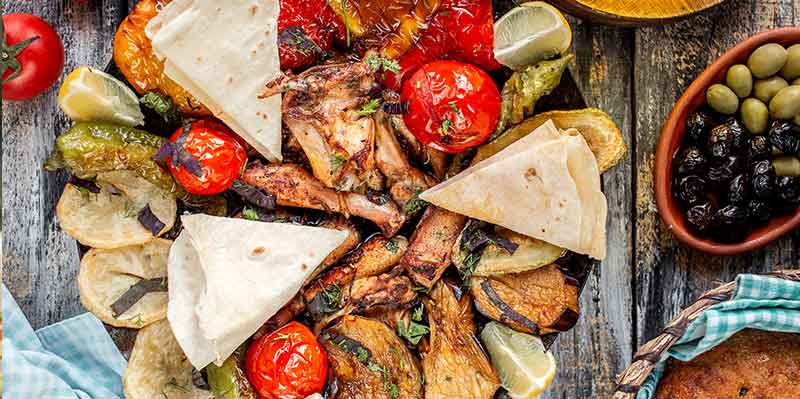
Breaking bread togetherA journey through cultures, food and meals
Food is far more than just sustenance; it is an integral part of our identities, histories, and relationships. Across the world, how people gather, prepare, and share meals reflects deep cultural values and traditions. From a humble loaf of bread to a sumptuous feast, the act of eating together transcends borders and binds us in a universal ritual of connection.
Dining in another country is always a fascinating experience for me. Observing what local people eat, how they eat, and with whom they eat it are all great subjects to anthropologist. Ordering coffee in Italy, nibbling on tapas in Seville, eating street food in Thailand, a wedding banquet in India, savoring a couscous with North African friends are all unique experiences and pleasures in our intercultural lives.
This article explores the cultural significance of shared meals and how different societies use food as a way to foster community, celebrate milestones, and honor heritage.
The universality of shared meals
At its core, sharing food is a universal gesture of hospitality and goodwill. Breaking bread together has long been a symbol of peace and friendship. The phrase itself, “breaking bread,” stems from ancient traditions where bread was not only a staple food but also a sacred one. In religious and cultural practices around the globe, the simple act of sharing bread signifies trust and unity.
In many cultures, meals are not just about eating; they are a form of communication. They serve as a medium for storytelling, bonding, and creating memories. Whether it is an Italian family passing around heaping bowls of pasta, a Japanese tea ceremony, or a Senegalese family gathered around a communal bowl of thieboudienne, the act of eating together reinforces a sense of belonging and mutual respect.
In some parts of the world, however, food is often reduced to mere fuel—quickly consumed without much thought or attention to what is being eaten or how. This contrasts sharply with cultures where meals are a vehicle for sharing information about our day, our successes, and our problems. In these settings, food becomes a way to connect deeply as a family or with friends, creating space for meaningful conversations and emotional support.
Hospitality as a cornerstone
Hospitality is a cornerstone of many cultures, often expressed through food. In Middle Eastern and South Asian traditions, for example, offering food to guests is not just polite—it is an obligation. Visitors are treated with an array of dishes, no matter how modest the household. Refusing a meal is often considered rude, as it is seen as rejecting the host’s goodwill.
In Greece, the concept or tradition of philoxenia (friendship to strangers) is deeply ingrained and goes back before the Iliad was compiled. Guests are welcomed with open arms and treated to local delicacies, from freshly baked bread to homemade wine. Similarly, in Morocco, the phrase “Marhaban bik” (welcome) comes with mint tea, a symbol of hospitality and warmth, often accompanied by sweet pastries. These customs highlight how food and drink are used to honor guests and create bonds that transcend differences.
Celebrations and Festivals
Food takes center stage in celebrations and festivals across the globe. These events are a time when communities come together, often around traditional dishes that have been passed down through generations. The preparation of these meals is as much a part of the celebration as the eating itself.
Consider Thanksgiving in the United States, where families gather to share turkey, stuffing, and pumpkin pie. The holiday is less about the food itself and more about giving thanks and being together. In contrast, the Chinese New Year is marked by lavish feasts featuring symbolic dishes such as dumplings (representing wealth) and fish (signifying surplus and prosperity). These meals are steeped in meaning and designed to bring good fortune.
In India, the festival of Diwali is incomplete without sweets like laddu and jalebi, which symbolize the sharing of happiness and goodwill. Similarly, in Ethiopia, the coffee ceremony—a ritualized preparation and serving of coffee—is central to social gatherings and celebrations, embodying respect and community spirit.
Communal dining practices
The way people eat together often reveals a lot about their cultural values. In many parts of the world, communal dining—sharing food from a central plate or bowl—is common and emphasizes unity and equality. For instance, in Ethiopian cuisine, injera, a spongy flatbread, serves both as a utensil and a communal platter. Diners tear off pieces to scoop up stews and vegetables, sharing from the same plate as a gesture of togetherness.
In contrast, East Asian cultures such as Chinese, Korean, and Japanese often incorporate shared dishes alongside individual bowls of rice. The use of chopsticks and the etiquette demonstrates a deep respect for the food and the dining experience.
Meanwhile, in the Middle East and parts of South Asia, meals are traditionally eaten with the right hand, often without utensils. Sharing from a communal platter, such as a large tray of maklouba in Palestine or biryani in India, fosters a sense of intimacy and connection. These practices highlight the importance of food as a shared experience rather than an individual one.
Rituals and Symbolism
Many cultures imbue food with ritualistic and symbolic significance. In Japan, the tea ceremony is not just about drinking tea but about mindfulness and harmony. Every movement, from the placement of the teapot to the way the tea is stirred, reflects a deep appreciation for the present moment and the people involved.
Similarly, in Jewish culture, the Friday night Shabbat dinner is a sacred ritual. Families come together to light candles, say blessings, and share challah bread and wine. These meals are about more than just eating; they are a time to reflect, reconnect, and honor traditions.
In Native American communities, food rituals such as harvest festivals and potlatch ceremonies celebrate the abundance of nature and the interconnectedness of life. The sharing of food in these settings is an act of gratitude and reciprocity.
Meals in business and professional life
In certain cultures, shared meals also play a pivotal role in professional and business settings. Meals become a way to build partnerships, foster trust, and strengthen relationships between colleagues, clients, or suppliers. For instance, the Chinese business banquet is a time-honored tradition where lavish dishes and toasts signify respect and goodwill. These banquets are as much about negotiating and bonding as they are about eating.
Similarly, in Japan, the practice of going out for drinks and karaoke with colleagues, known as nomikai, is an integral part of workplace culture. These informal gatherings break down hierarchical barriers and allow team members to connect on a personal level. In such settings, the shared meal or drink becomes a tool for creating lasting professional bonds.
This use of food and drink in professional life highlights its versatility as a means of connecting.
Bridging divides through food
In a world often divided by language, politics, and geography, food has the power to bring people together. Culinary traditions are a way to share stories, bridge cultural gaps, and foster understanding. Food tourism, for instance, has grown in popularity as people seek to experience other cultures through their cuisines. Whether it is savoring pho in Vietnam, indulging in tapas in Spain, or enjoying a braai (barbecue) in South Africa, these experiences offer a glimpse into the heart of a culture.
Lessons we can learn
The way other cultures approach food and meals offers valuable lessons for all of us. For one, it teaches us to slow down and savor the moment. In many Mediterranean countries, meals are leisurely affairs, often lasting several hours. This contrasts sharply with the fast-food culture prevalent in many Western nations. Taking the time to enjoy a meal with loved ones can improve not only our relationships but also our overall well-being.
Another lesson is the importance of gratitude. Many cultures have rituals of giving thanks before meals, whether it is saying grace, offering a prayer, or simply acknowledging the effort that went into preparing the food. These small acts of mindfulness can transform eating into a more meaningful experience.
Finally, the communal aspect of dining reminds us of the value of connection. In a world that is increasingly digital and individualistic, sharing a meal—free from distractions—is a simple yet profound way to nurture relationships and foster a sense of community.
Conclusion
Breaking bread together is one of the oldest and most universal human traditions. Across cultures, the act of sharing a meal transcends its practical purpose, becoming a means of expressing love, hospitality, and unity. From grand celebrations to everyday dinners, food brings people together in ways that words often cannot.
As we navigate a world that can sometimes feel divided, let us remember the power of a shared meal. Whether it is through trying new cuisines, hosting a dinner, or simply appreciating the company of those around us, breaking bread together remains one of the most beautiful ways to connect with one another and honor the rich tapestry of human culture.

Leave a Reply
Would your company like to organize an intercultural coaching session?
Latest blog posts
-

Managing Time as an Intracultural Challenge within Brazil
September 15, 2026 -
U.S.A. The monolingual superpower?
September 1, 2026 -

US vs France Vacation Culture: what we can learn in 2026
June 30, 2026 -

Accents: the music of humanity
June 9, 2026